
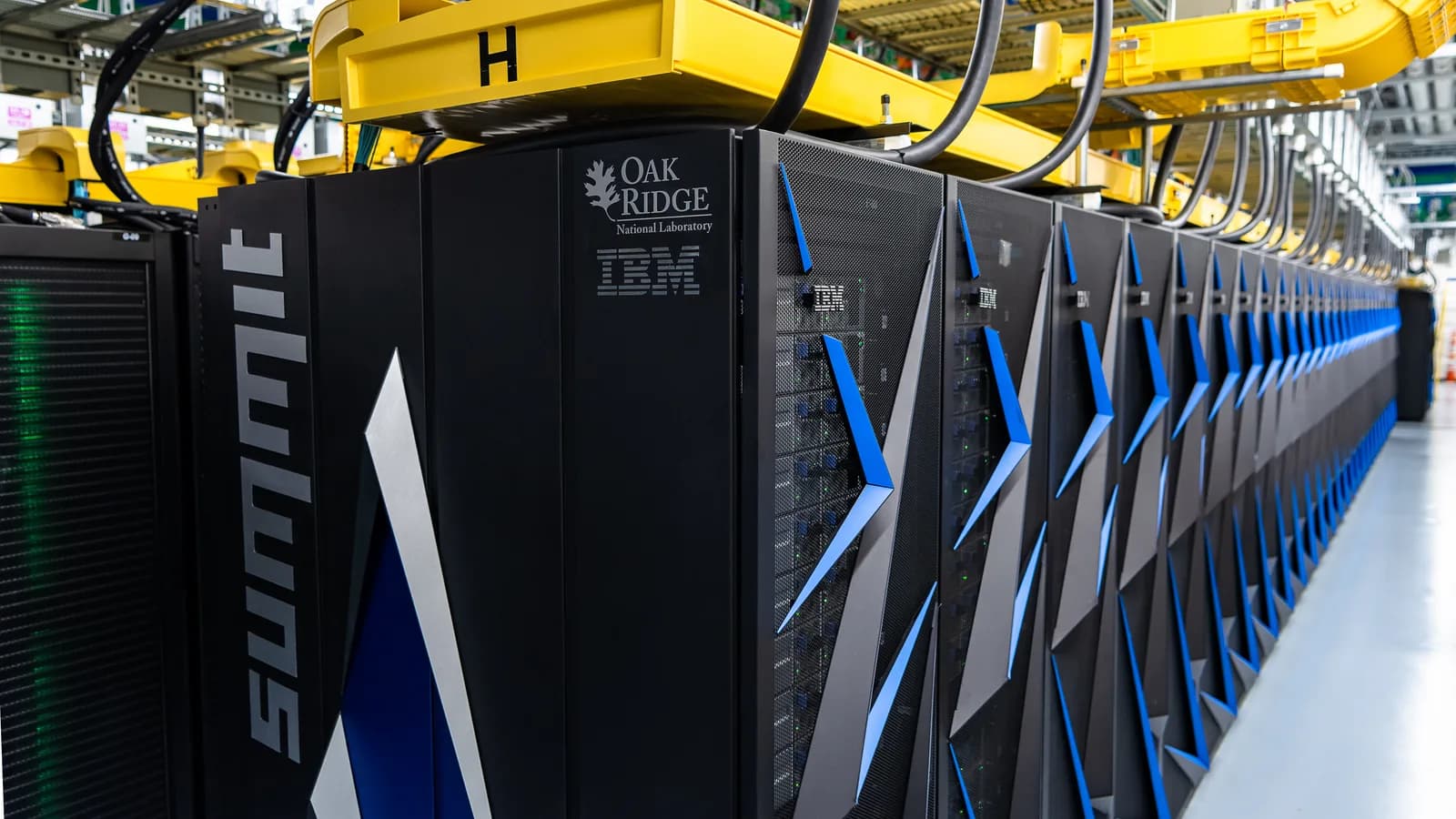
Picture a heat wave in Texas. Millions of air conditioners switch on at once, the power grid strains, and officials ask everyone to use less electricity so the lights stay on. Now add the newest customer on the block: a warehouse the size of several football fields, packed with computers that train AI. One of these data centers can use as much electricity as every home in a small city combined, and it never turns off. Hundreds more are being planned.
Building new power to feed them is painfully slow. A big power plant can take ten years to approve and build. A kid starting school the year a plant is proposed could be finishing high school before it switches on. Wind and solar go up faster, but a data center cannot wait out a still, cloudy week. And the classic answer, a giant nuclear plant, costs so much that hardly anyone builds one anymore.
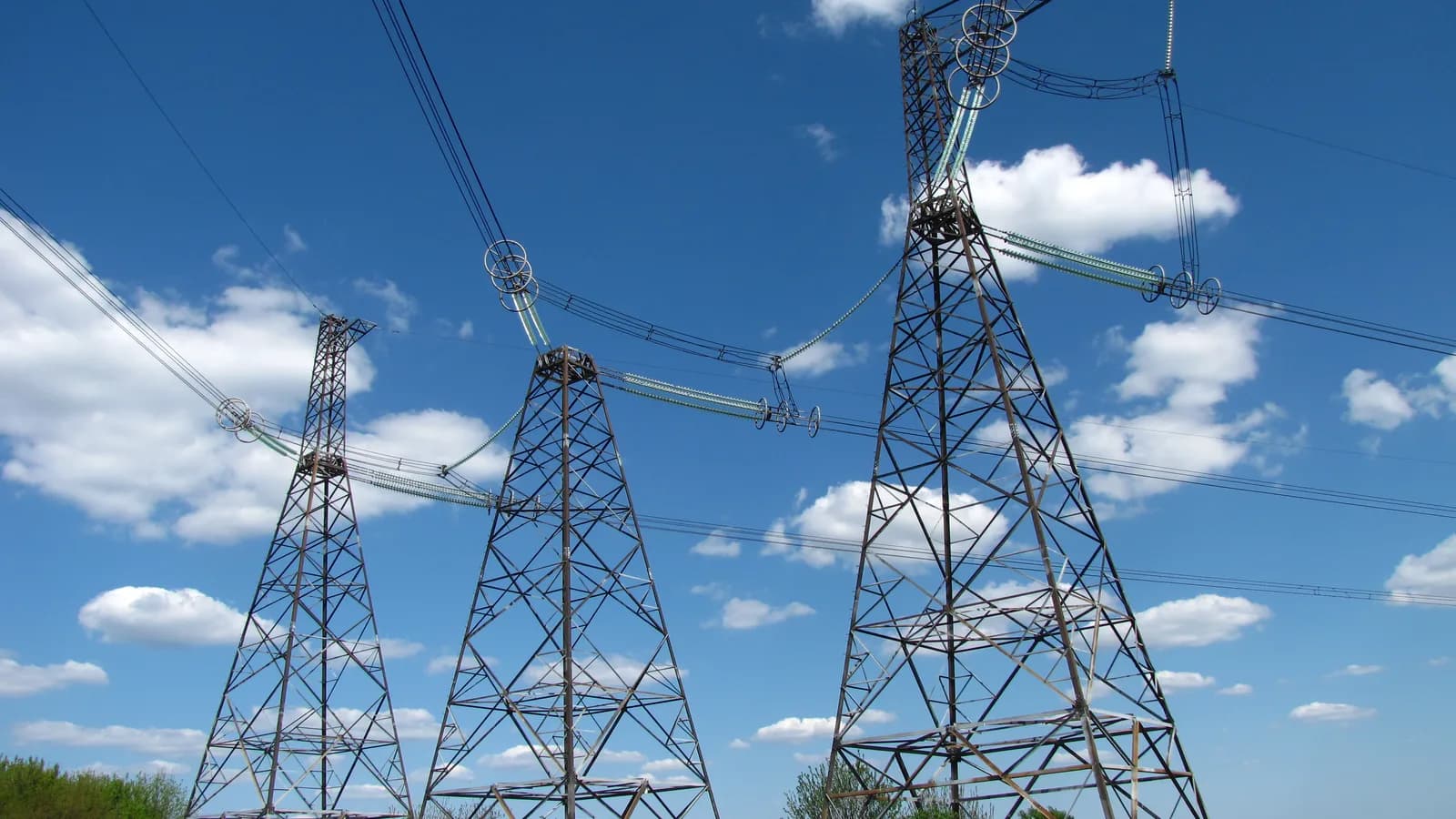
So this is the situation: the world's biggest tech companies are desperate for power they can count on, and the normal ways of making it cannot keep up. Anyone who can deliver reliable power fast, right where it is needed, has a line of customers already waiting.
One of the people who spotted that opening grew up unusually close to the subject. Isaiah Taylor's great-grandfather was a nuclear physicist on the Manhattan Project, and Taylor spent parts of his childhood reading encyclopedias about nuclear power. A software engineer at his church showed him a coding language made for kids when he was about ten, and he kept teaching himself from there. At sixteen he dropped out of high school to work as a coder, skipped college, and built his first companies, including software for auto repair shops.
AI power demand
Data centers need large, steady power supplies.
Energy constraint
Grids and new plants cannot keep up fast enough.
Reactor proposal
Valar bets on many small reactors, built like factory products.
Trust and safety review
Regulators, buyers, and neighbours still need proof.
Each arrow is a claim someone should test, not a step that has already happened.
In 2023, still in his early twenties, Taylor started Valar Atomics with a simple-sounding bet: shrink the power plant. Instead of one giant reactor feeding a whole region, build reactors small enough to sit beside the buildings that use the power, and build lots of them, the way factories turn out cars.
Valar has been showing its work in public. On a stage this year, the company switched on a small test reactor and used it to run one ordinary desktop computer, live in front of a crowd. Its Ward 250 site is part of a fast-track U.S. program for testing new reactor designs, and it has passed an early physics test the company calls zero-power criticality. Next, it says, comes a higher-power test reactor, and one day versions that could run a whole AI facility.
Taylor's path is the pattern worth noticing: learn a real skill, spot a gap the world is struggling with, and start building. The honest last step is judging progress as you go. Valar still has to prove its reactors can be built cheaply and repeatedly, pass safety review, and win over the people who would live next to them. A stage demo is a real step, and it is a long way from a power plant that has quietly kept a town's lights on for years.
Tradeoffs
- A dramatic demo attracts partners and attention, but it can make unfinished technology sound more settled than it is.
- Fast testing speeds up learning, but safety review and public trust move at their own pace.
- Building power next to the user takes pressure off the grid, but the neighbours still need clear answers.
Try this
Pick one Valar claim, such as data-center power, safety, cost, or speed. Write the claim in one sentence, then list three pieces of evidence you would want before trusting it.