
Every year Apple runs the Swift Student Challenge, where students build a small app experiment called an app playground using Swift, the same programming language professionals use. The 2026 round ran in February. Apple picked 350 winners from 37 countries and invited 50 Distinguished Winners to its developer conference in June.
The projects Apple spotlighted this year share a pattern. Karen-Happuch Peprah Henneh from Ghana built Asuo, which routes people out of flood zones in real time and treats accessibility as a requirement from the start, not a bolt-on. Gayatri Goundadkar, 20, from India built Steady Hands, which smooths Apple Pencil strokes for artists with hand tremors, then shows every drawing in a personal 3D museum so users feel, in her words, like artists rather than patients.
Anton Baranov, 22, from Germany built Pitch Coach, which gives live feedback on posture and delivery while you present. Yoonjae Joung, 21, from South Korea built LeViola, which tracks your hands with the camera so you can practise the viola without owning one.
Notice what none of these started with: nobody asked what kind of app would make money. Each began with a person close to the builder. An artist whose hands shake. A neighbourhood where flood warnings arrive late. A student who cannot afford an instrument. Problems close to you are easier to solve well, because you can test against reality every day and you know exactly what better feels like.
Flood warnings arrive late
Asuo routes people out of flood zones in real time. Ghana.
Hands shake while drawing
Steady Hands smooths Apple Pencil strokes. India.
Presenting with no coach
Pitch Coach gives live feedback mid-presentation. Germany.
No instrument to practise on
LeViola plays the viola through hand tracking. South Korea.
Each pair is one person's nearby problem plus the smallest version of an answer.
The craft on show is turning a nearby problem into a small, finishable first version. An app playground is deliberately tiny. It has to demonstrate one idea working, not a full product with accounts, servers, and support. That constraint is a feature: it forces builders to find the smallest version of their answer that a stranger can try.
Some of these experiments are already leaving the classroom. Baranov's Pitch Coach has picked up over 6,000 downloads since its March release, by Apple's account. One honesty note belongs here: the showcase is Apple's own marketing as well as a celebration of students, so treat the selection as curation by an interested party, not an independent ranking. The entry door, though, is real, and it opens again next February.
Tradeoffs
- A problem you live near is easy to test, but closeness can hide how different other users' needs are.
- A platform's showcase spotlights great work, but it is also marketing for the platform.
- Small app experiments are quick to finish, but real products need the unglamorous parts: support, updates, and testing.
Try this
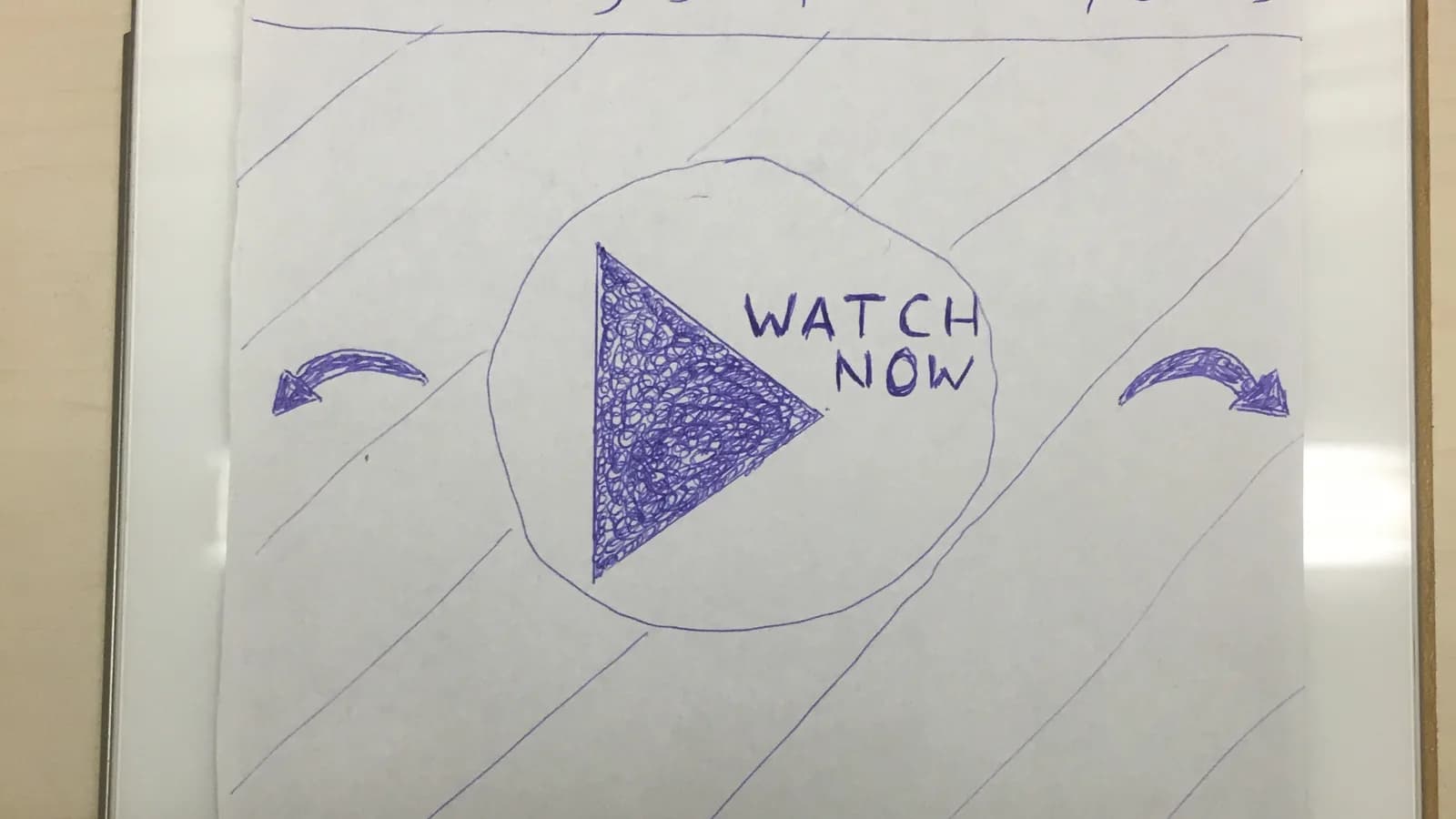
List three problems that people within ten metres of you face this week. Pick one and sketch a single app screen that helps, on paper. The sketch is the prototype.