
Not every young business begins with a patent, a laboratory or a plan to reach millions of users.
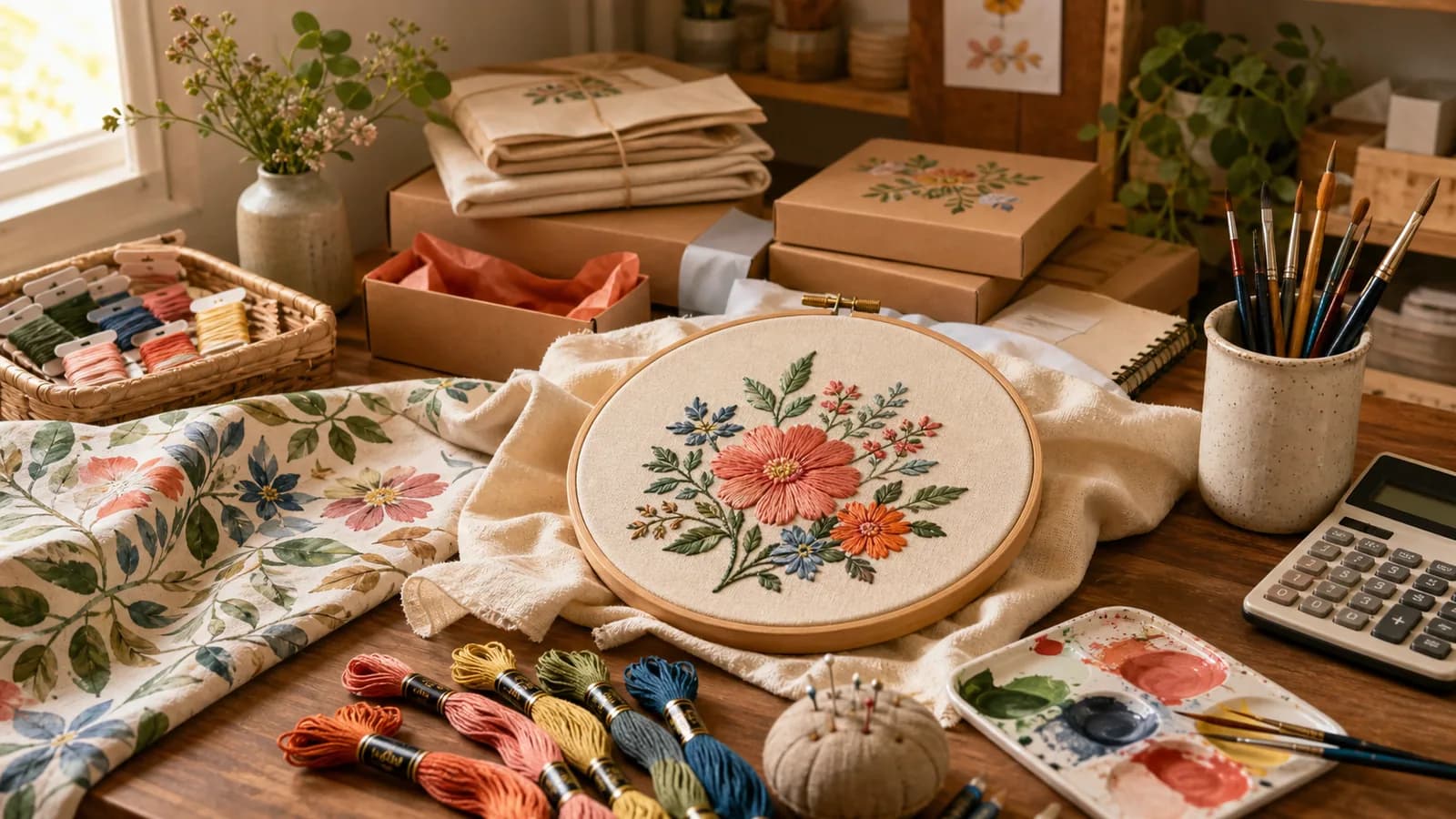
Reese Streicher, a student at Carroll High School in Indiana, started with custom work. Reese Olivia Creative turns a customer’s idea into a painted or embroidered item made for that person.
In June, the business won the People’s Choice Award at the 2026 STARTedUP Challenge Finals and received $1,500.
Custom products have an obvious appeal. The buyer receives something that does not look like every item on a shelf. The founder can begin with an existing creative skill and make one order at a time.
The difficult part is pricing.
Thread, paint and the base product are easy to count. Design messages, revisions, setup and hours of work are easier to forget. Charge only for materials and a busy order book can still lose money.
A custom maker also has to decide how much freedom a customer receives. Unlimited changes may sound generous until one order consumes the time available for three others.
Those are ordinary small-business pressures, which make Reese Olivia Creative a useful contrast with the technology ventures on the same finals stage.
The STARTedUP Foundation says 1,174 teams representing 2,162 students submitted pitches in 2026, more than double the previous year. Ten teams reached the final competition, joined by emerging ventures and alumni in a 24-booth showcase.
Reese Olivia Creative did not win the judges’ largest seed award. It won the audience vote, evidence that the offer connected with people in the room and online.
The result does not reveal sales, profit or repeat customers. Those figures would show whether attention becomes a durable business. The reported success is more precise: a student turned a creative skill into a venture strong enough to reach a state final and win its crowd.
Tradeoffs
- Custom work gives each customer something distinctive, but revisions can consume the time and profit in an order.
- An audience award shows immediate appeal, while repeat sales and margins reveal whether the business lasts.
Try this
For a one-off custom order, which costs are easiest for a new founder to forget?