
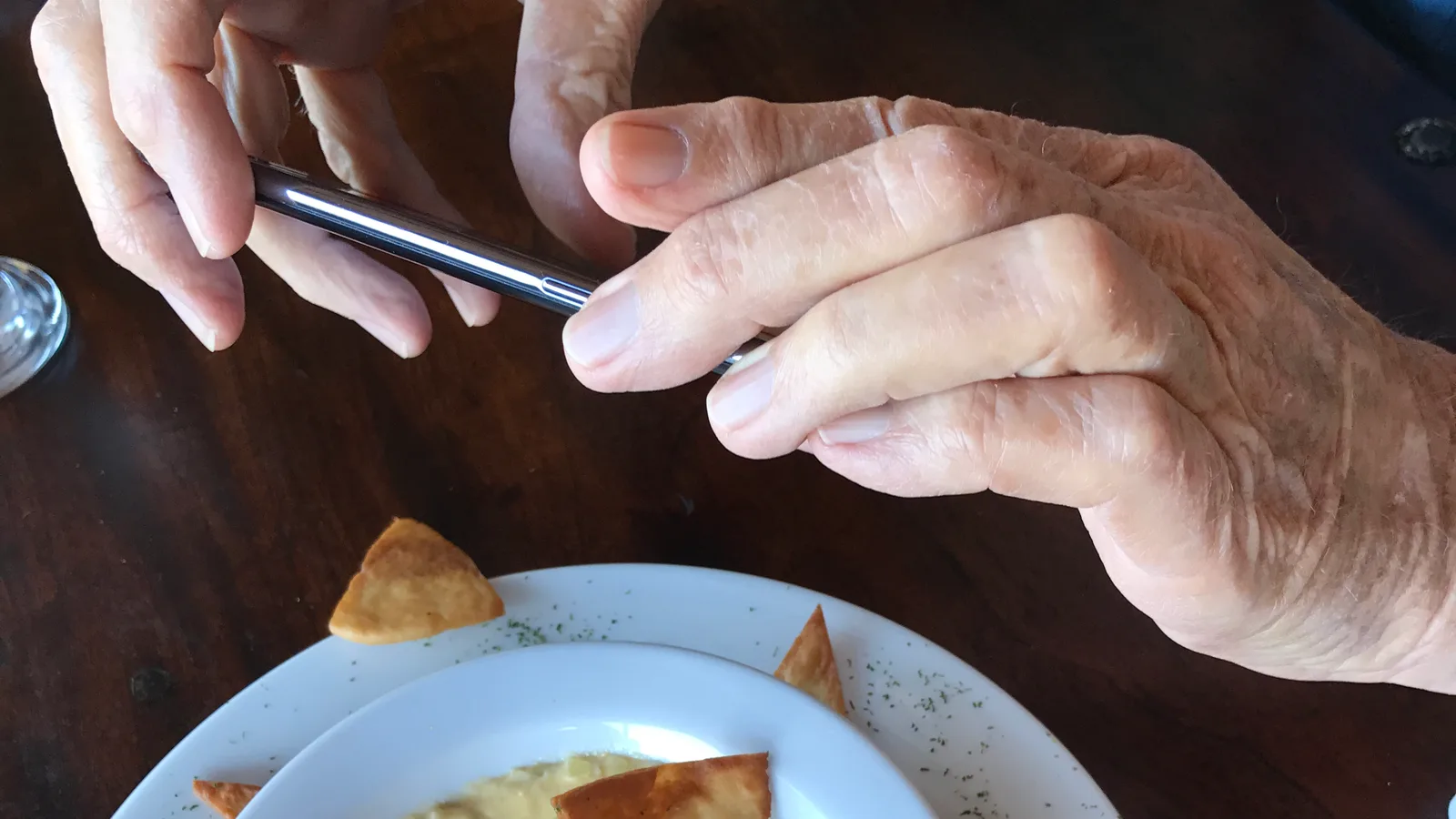
Point your phone at your dinner, and a few seconds later an app tells you roughly how many calories are on the plate. That is the whole pitch for Cal AI, an app started by Zach Yadegari and Henry Langmack when they were 17-year-old high school students in New York.
It worked. The company says the app has passed 15 million downloads and 30 million dollars in annual revenue in under two years. Annual revenue means the money customers pay in a year, before any costs come out of it. Then, in March 2026, MyFitnessPal, one of the biggest nutrition apps in the world, announced it had bought Cal AI outright. The founders are 19. The price was never made public.
Calorie tracking apps already existed. MyFitnessPal itself had been around longer than the founders had been in school. The problem was the logging: searching a database, typing amounts, doing it again at every meal. It is slow enough that most people give up within days.
So the gap was not a missing app. It was a missing shortcut inside apps people already understood. Yadegari had spent years getting ready to spot it. Fortune reports that he taught himself to code at age seven and built games and websites all through his early teens. When AI models became good enough at recognising food in a photo, he and Langmack were in a position to move fast, because building and shipping software was already a routine for them.
Learn the tool
Years of small games and websites came first.
Feel a slow task
Logging food by hand made people quit.
Ship a shortcut
Photo in, estimate out, within seconds.
Prove people want it
Millions of downloads and paying subscribers.
Decide: keep or sell
They sold, at a price never made public.
The last step is a choice, not a finish line. Plenty of founders keep building instead.
Cal AI's answer was to replace typing with a camera. Photo in, estimate out. TechCrunch reported that the app deliberately puts speed ahead of accuracy, and that is an honest engineering tradeoff: for most people, a rough number they will actually record every day beats an exact number they quit tracking after a week.
The company stayed tiny for its size, about seven employees plus contractors. After the sale, the whole team was kept on, the app stays independent inside MyFitnessPal, and Yadegari now attends college while still running it.
Two details in this story are worth keeping for your own claim checking. The download and revenue numbers come from the company itself, and reporters repeating a number does not audit it. And the sale price was never disclosed, so nobody outside the deal knows what the app was really judged to be worth.
Tradeoffs
- A fast estimate is useful every day, but a rough number can mislead someone who needs precision.
- Selling the company gives the founders certainty now, but they give up whatever the app becomes next.
- Company-reported numbers travel fast in headlines, but no outside accountant has published them.
Try this
Find one repetitive task in your week that takes more than a minute. Write down what a five-second version would look like, and what it would be allowed to get slightly wrong.