
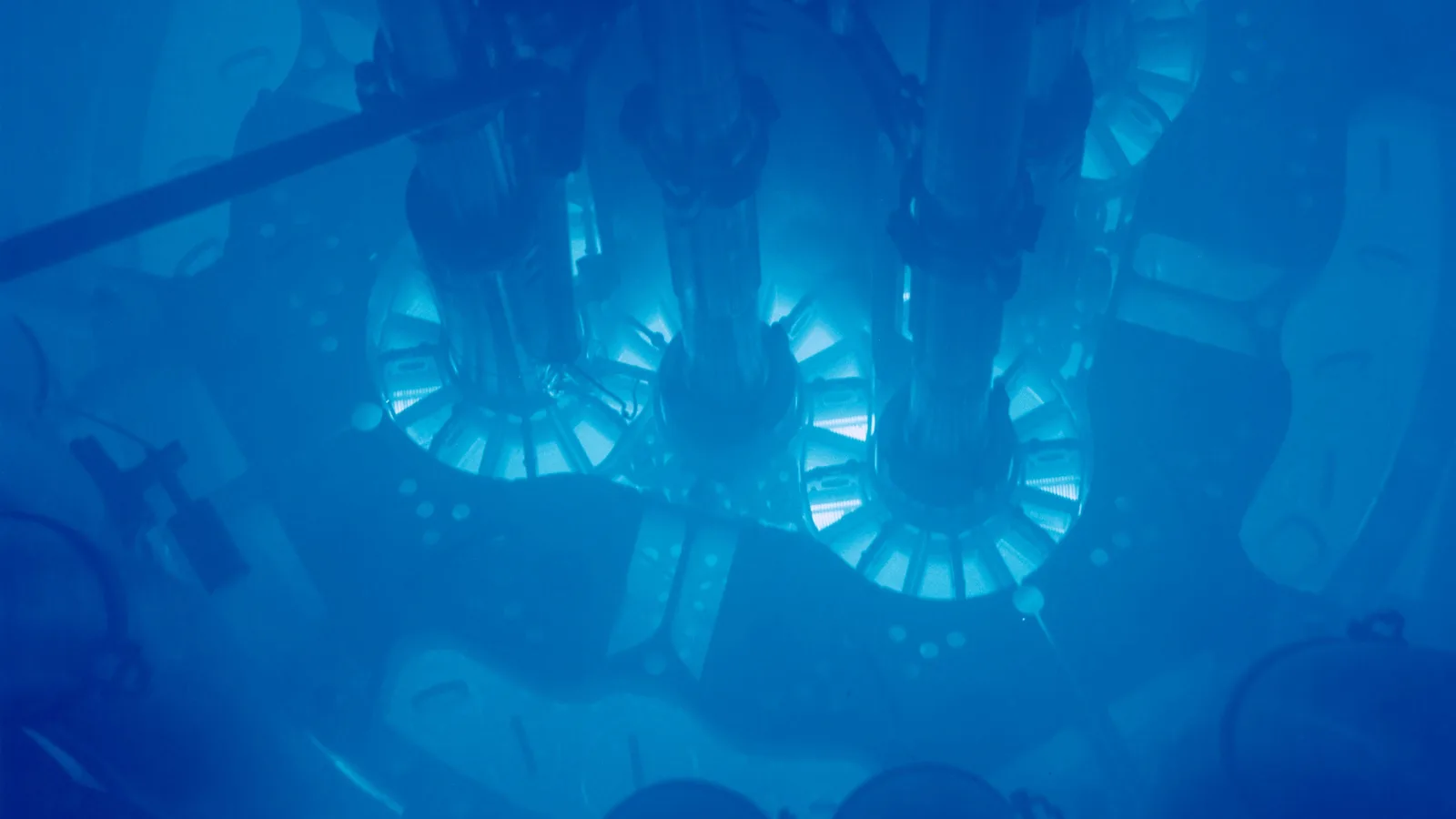
Right now, dozens of companies are promising small nuclear reactors that could power data centers, factories, and remote towns, and governments are cheering them on. Here is the awkward part: almost all of those reactors exist only as drawings and computer models. Most have never been switched on.
That is why a test in the Idaho desert is worth noticing. At Idaho National Laboratory, a startup called Antares Nuclear started up its small reactor for the first time, according to AP reporting. Engineers call the moment criticality. In everyday English, critical sounds like disaster. In reactor language it means the chain reaction can now keep itself going, a bit like a campfire that no longer needs the match.
Reaching criticality separates a real machine from a promise. The design stopped being drawings and became a working physics experiment.
There is still a long road between a first startup and a finished product. The reactor has to produce usable electricity, prove its controls work in all conditions, manage fuel and waste, pass safety review, and then run reliably for paying customers, year after year.
So how big is this moment? Picture a ladder of milestones. Paper designs and computer models sit at the bottom. Component tests come next, then low-power tests like this one, then full-power operation, independent review, and finally years of everyday service. Antares just climbed to the middle, ahead of the rivals still holding drawings, and well below anyone who has actually powered a town.
That ladder is the takeaway. Reactor headlines will keep coming. For each one, ask which rung the company is standing on.
Years of everyday service
Still aheadReliable power for paying customers, year after year.
Independent review
Still aheadSafety checks by people outside the company.
Full-power operation
Still aheadProducing usable electricity in all conditions.
Low-power tests
Happening nowAntares reached criticality at Idaho National Laboratory.
Component tests
ReachedParts and controls proven on their own.
Paper designs and models
ReachedDrawings and computer simulations only.
Most reactor startups are still on the bottom rungs. For each new headline, ask which rung the company is standing on.
Tradeoffs
- Celebrating a milestone helps people see the hard work, but hype can hide the tests that are still missing.
- A faster pilot program produces useful data sooner, but speed raises fair questions about oversight.
- Technical words are precise for experts, but a reader needs the plain meaning before judging the claim.
Try this
Draw a five-step evidence ladder for any technology claim you have seen recently. Mark where the reported proof sits today and write the next test you would ask for.